About
From Ibadan. Twenty years in Lagos. Everything I build comes back to trust.
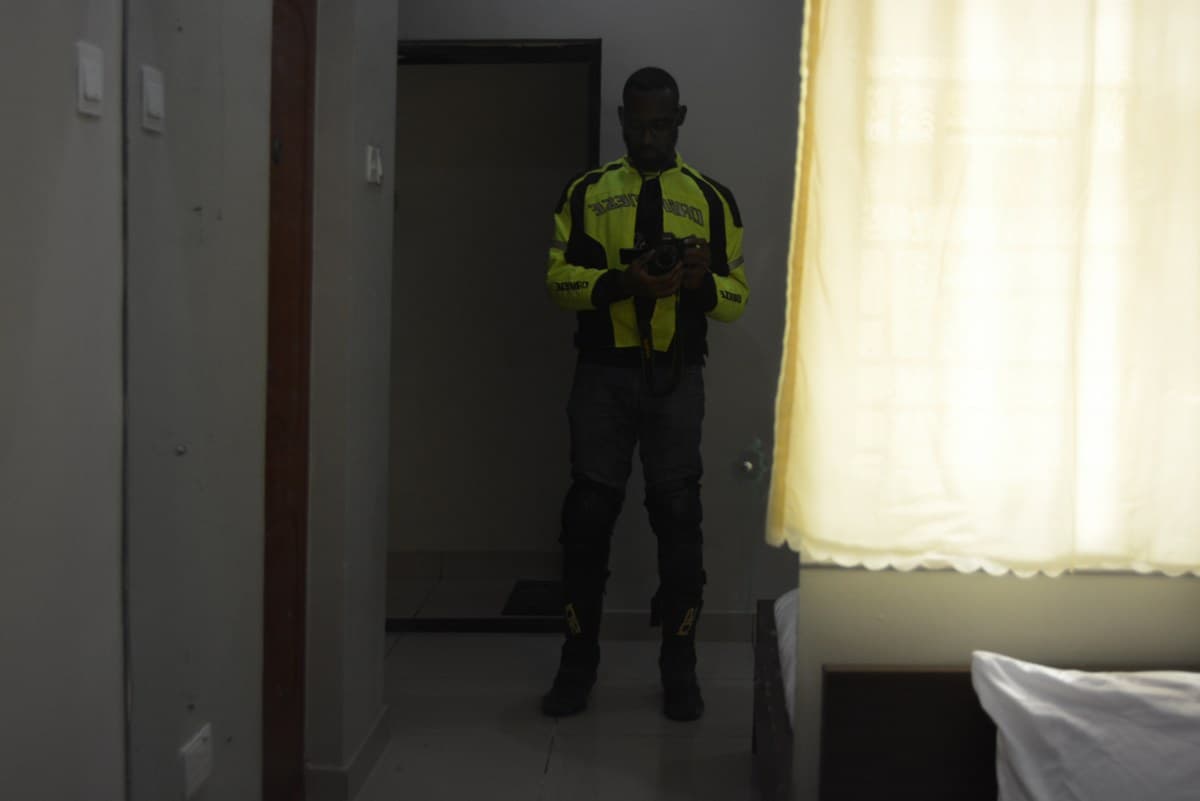
Dolapo Ojelabi — architect by training, builder by habit.
The beginning
I grew up in Ibadan noticing things. How some spaces made you feel capable and others made you feel small. How the texture of a street changed the mood of the people on it. Lagos came later — twenty years ago — and turned up the volume on everything I'd been observing. The same extraordinary intelligence and extraordinary dysfunction, at greater density and higher stakes.
Architecture gave me a language for the first observation. It couldn't answer the second. So I started building toward the gap.
The training in spatial design shaped how I see everything: the arrangement of elements, the logic of systems, the way structure either enables or constrains the people inside it. Whether I'm designing an environment, a piece of software, or a community gathering — the underlying question is always the same. What conditions does this create for the person experiencing it?
The turn
Nigerian real estate is one of the most consequential markets most people never think about. Millions of families navigate it every year, transacting the largest sums they will ever move, without reliable verification for anything — the agent, the property documents, the developer's track record. Fraud is not an edge case. It is the expected risk you manage and hope to survive.
I couldn't stop thinking about the structural cause. Not greed — the conditions that make greed easy and honesty costly. The absence of verifiable identity. Reputation that doesn't travel between transactions. No neutral layer between the parties.
That's how I started building Llevra. A trust infrastructure platform — beginning with real estate because that's where the stakes are highest — that gives agents verifiable identity, developers control over who represents their projects, and buyers a way to confirm who they're dealing with before money moves. The long ambition is a trust layer that extends far beyond property.
Beyond the software
The software is one thread. The others run alongside it and inform it.
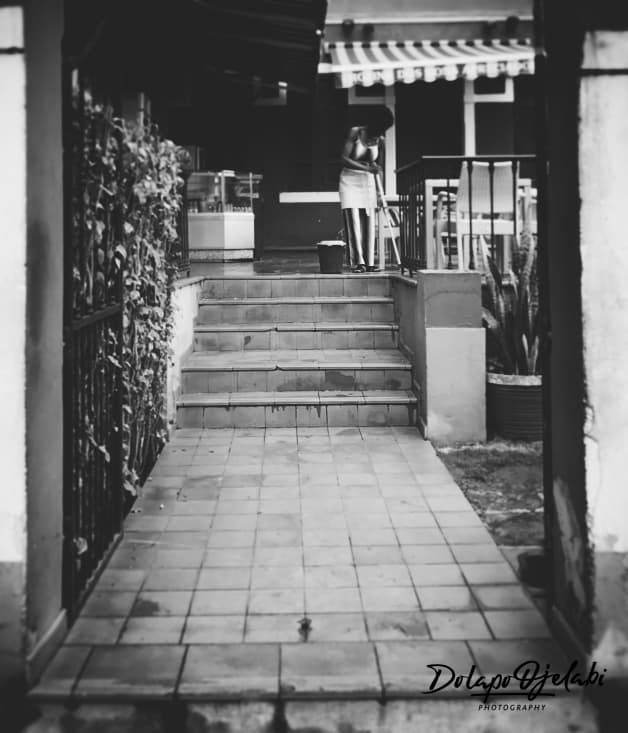
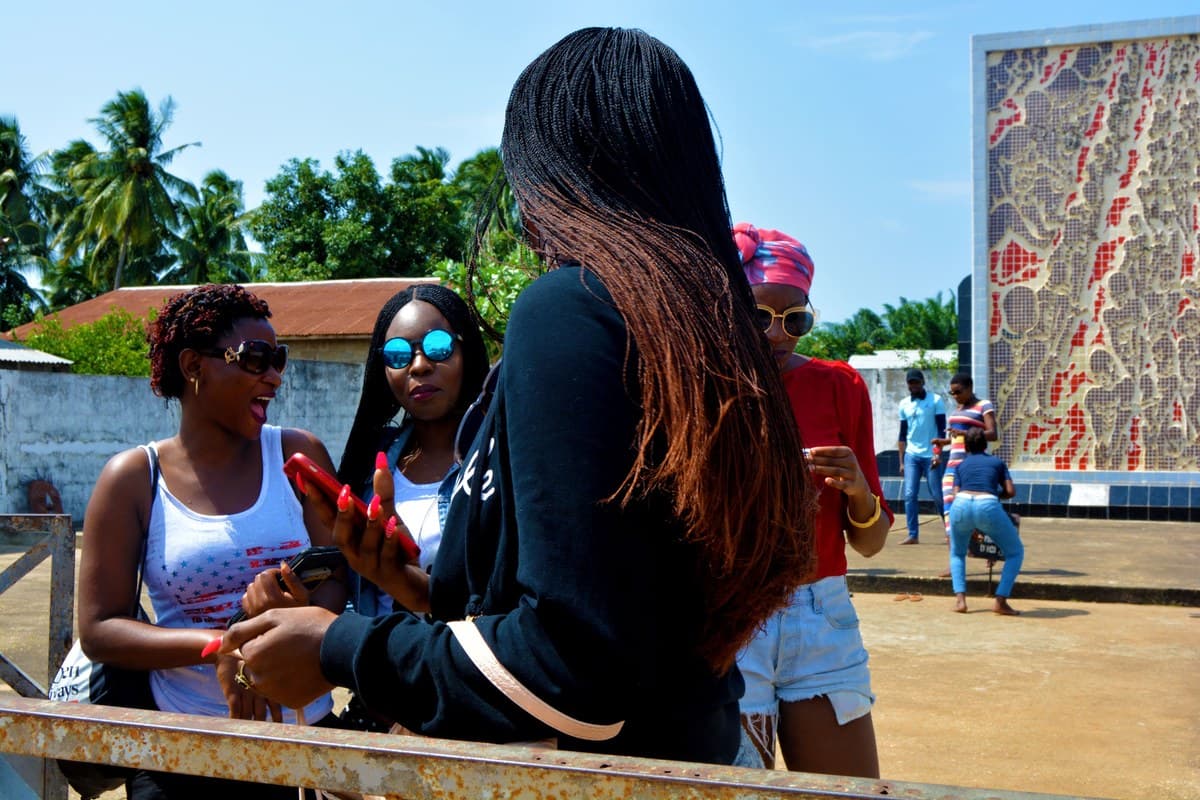
I photograph cities — specifically the moments where light, space, and human presence intersect without announcement. Black and white for the discipline of stripping away noise and looking at structure. Colour for the moments when colour itself is the truth. Photography taught me that observation is a practice, not a talent. You get better at seeing by doing it every day.
I design spaces — interior environments where the psychological brief is as precise as the architectural one. Not spaces designed to be photographed, but spaces designed to do something to the person inside them. Material, proportion, light, threshold. Every decision behavioral.
I build community — gatherings and salons for people who take ideas seriously. Small, high-trust, curated. The antidote to a world that optimizes for reach over depth.
And I maintain a lab of things I've built but not yet released: a modular shelf with a book exchange program attached, a hybrid painting course, a cohort for professionals who abandoned creative practice for economic stability. Products that address specific gaps I keep noticing in the world around me.

"The connecting thread is always the same — what are the conditions, and how do we improve them?"
Now
A snapshot of what's active. Updated when something changes.
Building
Llevra — trust infrastructure for Nigerian real estate
Developing
The art cohort, paint course, shelf library
Writing
Essays on trust systems, spatial psychology, and African urbanism
Photographing
Cities, light, and the texture of everyday life
Based in
Lagos, Nigeria (from Ibadan)
I work best in conversation.
If something here resonates — or if you want to push back on any of it — I'm interested.